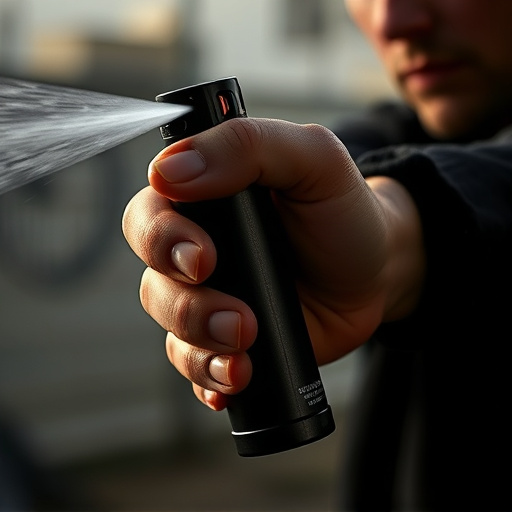
Pepper spray, a powerful non-lethal weapon used by law enforcement, requires strict storage guidelines away from children due to its potent active ingredient, capsaicin. Effective deployment depends on wind conditions, proximity, and officer training. Global law enforcement agencies rely on it for crowd control, with rigorous training programs emphasizing safe handling and responsible use. Storing pepper spray safely in homes is crucial, especially with children present, through secure locations like locked cabinets or high shelves, childproof locks, regular inventory checks, and compliance with local regulations to prevent accidental discharge or misuse.
“Pepper spray, a powerful law enforcement tool, has become an essential addition to many agencies’ equipment lists. This article delves into the multifaceted world of this non-lethal weapon, exploring its purpose and components, as well as its strategic use by police forces worldwide. We dissect critical considerations for storage and safety, focusing on protecting sensitive areas and preventing accidental exposure, especially emphasizing responsible Pepper Spray Storage Away From Children to ensure public and family safety.”
- Understanding Pepper Spray: Purpose and Components
- Law Enforcement Usage: Training and Protocol
- Storage and Safety Measures: Protecting Sensitive Areas
- Regulatory Guidelines for Homeowners: Legal Considerations
- Best Practices for Secure Pepper Spray Storage Away From Children
Understanding Pepper Spray: Purpose and Components
Pepper spray, a powerful non-lethal weapon, is designed to incapacitate and control individuals temporarily through the irritation of eyes, nose, and respiratory tracts. Its primary purpose in law enforcement is to subdue and disrupt aggressive behavior while allowing officers to gain control of a situation. The components of pepper spray include capsaicin, a natural chemical derived from chili peppers, which is the active ingredient causing the burning sensation. It’s typically stored in small, airtight containers to maintain its potency, with clear instructions on usage and safety measures, especially emphasizing Pepper Spray Storage Away From Children.
When deployed, pepper spray creates a cloud of irritants that can disable an opponent for several minutes, providing officers with crucial time to calm the situation or apply further control tactics. However, it’s essential to understand its limitations; wind direction and proximity play significant roles in effectiveness, and proper training is necessary to ensure safe and responsible use.
Law Enforcement Usage: Training and Protocol
Law enforcement agencies across the globe extensively utilize pepper spray as a non-lethal force option, particularly in crowd control and subject immobilization scenarios. The strategic deployment of this weapon requires rigorous training to ensure officers can effectively use it while minimizing risks to themselves and bystanders. Proper protocol dictates that law enforcement personnel should only resort to pepper spray when other less-lethal methods prove ineffective or are not available.
Training programs emphasize the importance of Pepper Spray Storage Away From Children, as well as safe handling techniques. Officers learn how to assess a situation, select the appropriate spray type and can, and maintain distance while deploying the agent. These protocols are continually updated to reflect changing tactical needs and technological advancements in pepper spray technology, ensuring law enforcement maintains a balanced and proportionate approach when utilizing such force.
Storage and Safety Measures: Protecting Sensitive Areas
Storing pepper spray safely is paramount, especially in homes and public spaces where children are present. It should be kept out of reach from kids and other unauthorized individuals to prevent accidental discharge or misuse. Secure storage options include locked cabinets, high shelves, or dedicated safe locations that are known only to authorized personnel.
Implementing additional safety measures like childproof locks or security systems can further safeguard pepper spray. Regular inventory checks should be conducted to ensure the presence and condition of the spray, fostering accountability and minimizing the risk of theft or loss. These precautions are crucial in Pepper Spray Storage Away From Children, promoting responsible handling and ensuring its availability only to those who need it for legitimate law enforcement purposes.
Regulatory Guidelines for Homeowners: Legal Considerations
In many jurisdictions, law enforcement grade pepper spray is subject to stringent regulatory guidelines, reflecting its potent nature and potential risks. Homeowners considering the acquisition and use of such a weapon must navigate a maze of legal considerations. Among these, ensuring safe storage away from children is paramount. Regulatory bodies often mandate specific storage requirements, emphasizing that pepper spray should be kept in locked cabinets or high, inaccessible areas to prevent accidental or unauthorized access by minors.
These regulations are not just formalities; they stem from the recognition of pepper spray’s capabilities and potential dangers. Accidental discharge or ingestion can lead to severe health consequences, especially for children. Therefore, homeowners must familiarize themselves with local laws regarding pepper spray possession and storage to ensure compliance and maintain the safety of their families.
Best Practices for Secure Pepper Spray Storage Away From Children
When storing pepper spray, it’s paramount to prioritize safety, especially in households with children. The primary best practice is to place the spray in a high, secure location, out of reach of kids. This could be on a high shelf or within a locked cabinet. It’s crucial to ensure that only authorized adults have access to this area. Using child-proof locks can provide an extra layer of protection.
Additionally, it’s essential to teach children about the potential dangers of pepper spray and reinforce the message that it is not a toy. Storing the spray in plain sight with clear labeling can also serve as a visual reminder of its hazardous nature. Regularly reviewing safety measures with family members ensures everyone understands the importance of keeping pepper spray and other potentially harmful substances secure.
Pepper spray, while a valuable tool for law enforcement and personal defense, requires careful handling and secure storage, especially away from children. By understanding its components, proper usage protocols, and regulatory guidelines, individuals can ensure its safe utilization. Implementing robust storage measures, such as keeping it out of reach and using child-resistant containers, is crucial to prevent accidental exposure and misuse. These practices contribute to a safer environment for everyone, ensuring pepper spray remains an effective tool when needed while mitigating potential risks.